Demumu vs Tribe Check: Two Different Approaches to Solo Living Safety
Demumu went viral asking "Are you dead?" Tribe Check asks "Are you okay?" Compare two solo living safety apps with [...]
Last week, while scrolling through tech news, I came across something that made me pause: a Chinese app called Demumu (literally « Are You Dead? ») had just become the #1 paid app in China and was climbing charts in the US. The concept? Users tap a button daily to confirm they’re alive. Miss two days in a row, and an emergency contact gets notified.
As someone who built Tribe Check, a safety check-in app, this news hit close to home. But it also made me realize something important: there isn’t just one way to approach personal safety. Different apps use fundamentally different philosophies to keep people safe. And understanding these differences matters, because the right safety app depends entirely on your specific needs and situation.
Let me walk you through the three main approaches I’ve identified in the personal safety app space, and when each one makes sense.
The concept: You check in regularly. If you don’t, someone gets alerted.
Apps like Demumu and my own Tribe Check fall into this category. The philosophy here is simple but powerful: absence of signal is a signal.
With Demumu, you tap a button every day. If you forget for 48 hours, your emergency contact receives an email. No GPS tracking. No constant monitoring. Just a simple ritual that says « I’m okay. »
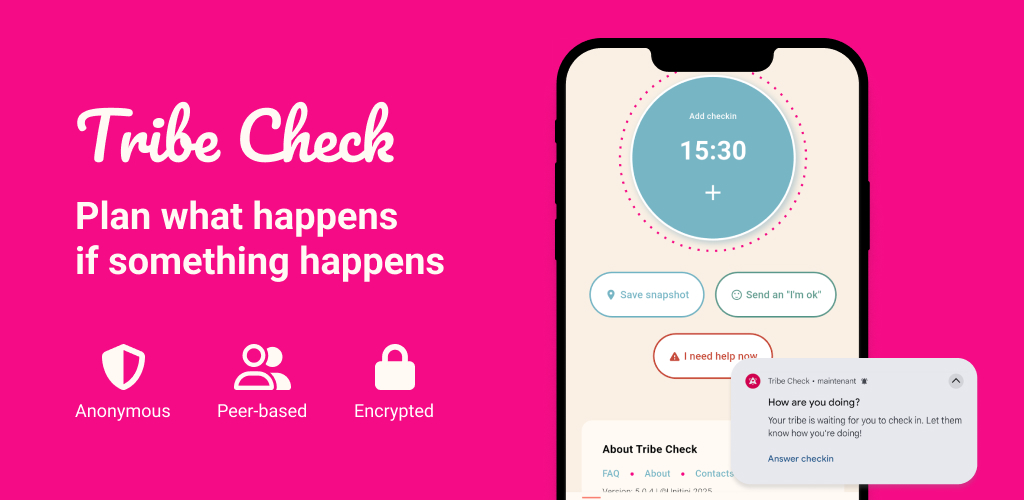
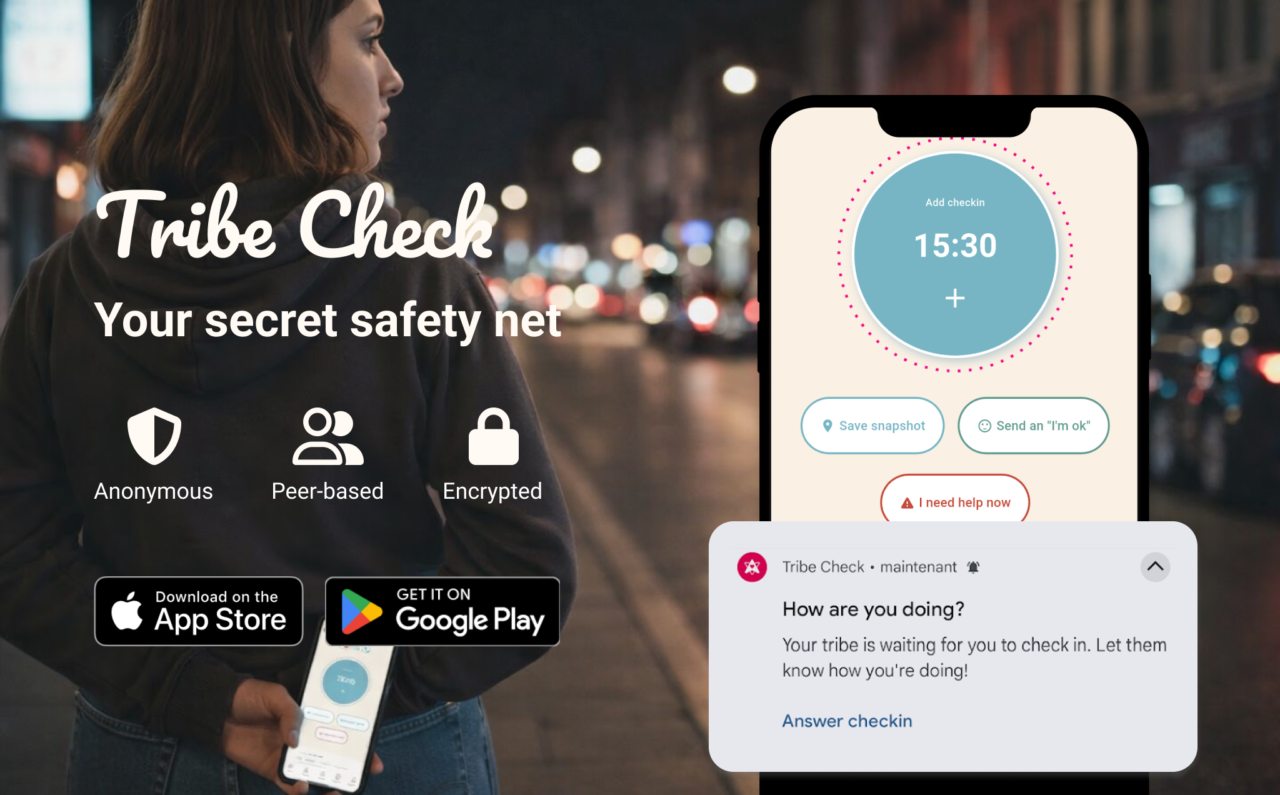
Tribe Check works similarly but adds flexibility. You create customized check-in schedules based on your activities. Going on a hike? Set a 4-hour check-in. Meeting a stranger from a dating app? Set a 2-hour window. The app only alerts your tribe if you miss your check-in deadline.
Who is it for?
The trade-off
This approach requires discipline. You have to remember to check in. But that’s also its strength: it respects your autonomy while providing security.
When I was building Tribe Check, this philosophy resonated with me because I’ve been that woman walking home alone, that person meeting a Marketplace seller, that hiker going solo. I didn’t want my location tracked 24/7, but I wanted my friends to know if something went wrong.
The concept: You tap a button when you’re in trouble. Help comes immediately.
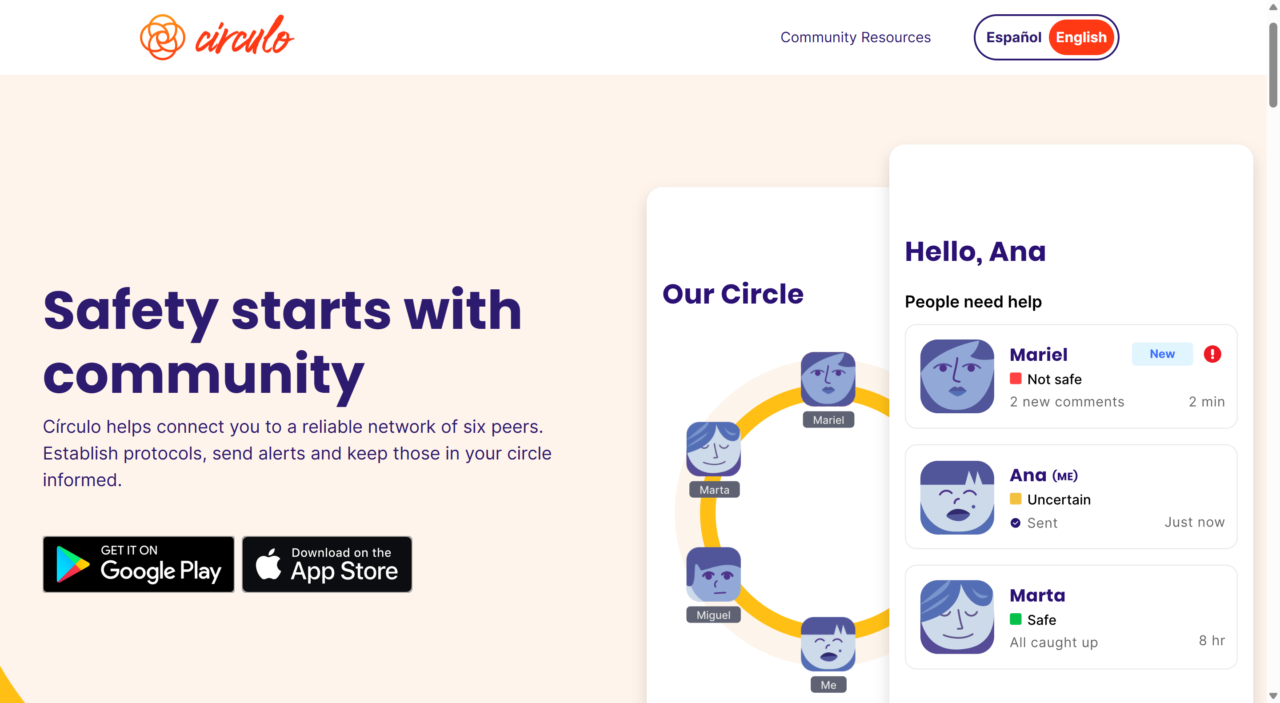
Apps like Circulo and Red Panic Button use what I call the « SOS philosophy. » You set up your trusted contacts in advance, and when you need help, you hit a button. In two taps, your circle knows you’re in distress.
Circulo (ex Circle of Six), which was designed to prevent violence on college campuses, gives you several discreet options:
The genius of this approach is in the immediacy and discretion. The icons look innocent (a car, a phone, a chat bubble), so you can call for help without drawing attention.
Who is it for?
The trade-off
This only works if you can reach your phone and tap it. If you’re incapacitated or your phone is taken away, it can’t help you.
The concept: You share your live location in real-time during specific trips or activities. Your « guardian angels » can follow you on a map.
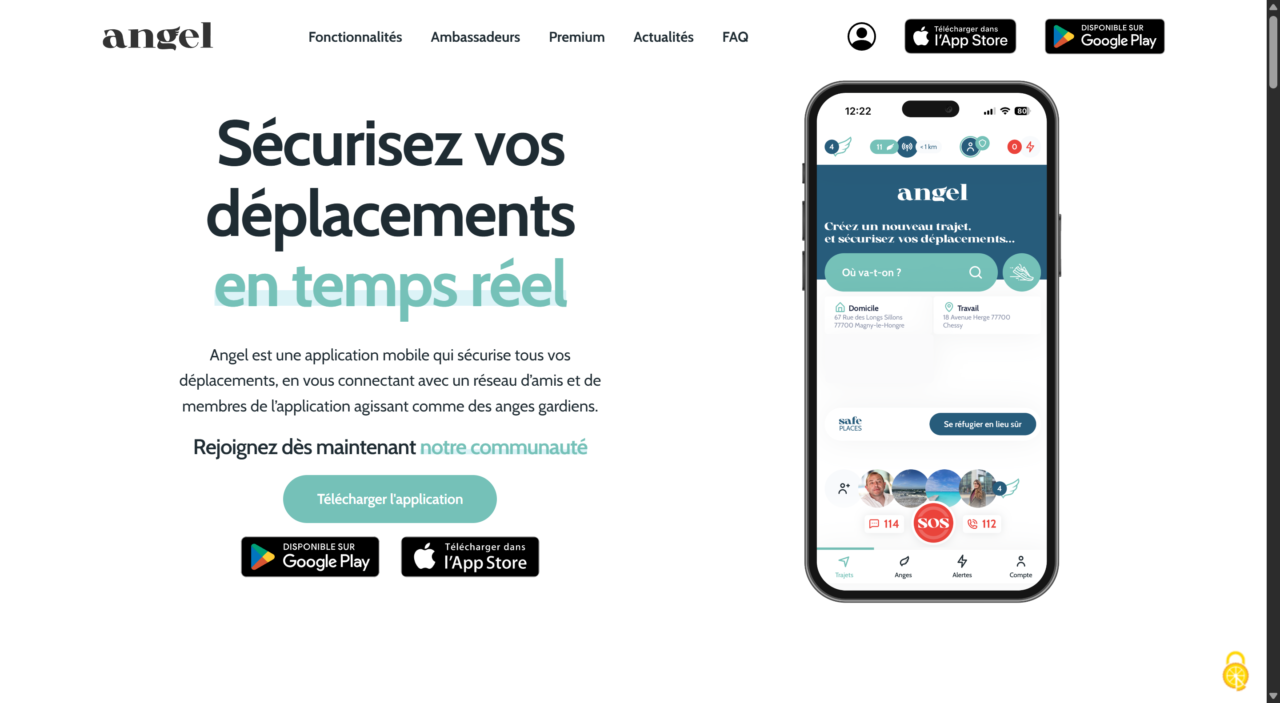
Angel, a French app, represents yet another approach: on-demand real-time tracking during movements. Unlike check-ins where you confirm you’re okay, or panic buttons you press when in trouble, Angel lets you say « follow me during this specific trip. »
Angel combines several safety features:
The philosophy here is transparency combined with community support. You’re saying « I want people to know exactly where I am during this trip, » and if something goes wrong, both your personal network and a wider community can respond.
Who is it for?
The trade-off
This requires active GPS tracking during your entire trip, which drains your battery. It’s also the most invasive approach—someone can see your exact movements in real-time. But that’s exactly what makes it powerful for situations where people need to know not just that you’re okay, but where you are right now and what’s happening.
When I think about Angel versus Tribe Check, the difference is clear: Tribe Check says « trust me to check in when I arrive. » Angel says « watch me the entire way there. »
Here’s the thing I’ve learned as an app-maker: there is no universal « best » safety app. The right choice depends entirely on your situation.
Choose check-in apps (like Tribe Check) if:
Choose panic button apps (like Circle of 6) if:
Choose continuous tracking (like AngelSense) if:
What strikes me most about these three approaches is that they reflect three different answers to the same question: « How do we use technology to keep people safe? »
None of these approaches is inherently better than the others. They serve different needs, different people, different situations.
As I continue developing Tribe Check and exploring the safety app space, this understanding has been crucial. I’m not trying to build the app that does everything for everyone. I’m building an app that serves a specific philosophy: autonomous safety through accountability and preparedness.
And that’s enough.
Because the person who needs Tribe Check isn’t the same person who needs AngelSense. The parent tracking a child with autism has completely different needs than the solo traveler checking in with friends. And the college student escaping an uncomfortable date needs something different from both.
The best safety ecosystem is one where all three philosophies exist, so people can choose the approach that matches their needs.
What about you? Which philosophy resonates with you? Do you prefer the discipline of regular check-ins, the immediacy of a panic button, or the constant reassurance of GPS tracking?
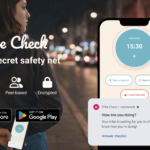
Demumu went viral asking "Are you dead?" Tribe Check asks "Are you okay?" Compare two solo living safety apps with [...]

After about 20 years as a UX Designer, I started feeling this eager to actually make something. Not a mock-up or a [...]

Tribe Check - Medical follow-up will make its debut at Geneva Digital Health Day 2025! Let's connect to make this new [...]